
Exploring the historical evolution of gambling practices across cultures
The Origins of Gambling
The practice of gambling dates back thousands of years, with evidence suggesting that ancient civilizations engaged in various forms of games of chance. In China, around 2300 BCE, the earliest known gambling game, using rudimentary dice, was documented. Similarly, in ancient Egypt, artifacts indicate that people played betting games with various materials. Such practices reflect a human fascination with chance and the thrill of risking possessions for uncertain rewards. Today, you can even enjoy experiences like the aviator game, capturing the excitement of these age-old practices.

In addition to dice games, the ancient Greeks and Romans also popularized betting activities, particularly around events like chariot races and gladiatorial contests. The Greeks introduced the concept of betting on outcomes, fostering a culture where wagering became ingrained in social events and festivities. This integration of gambling into daily life established a pattern that would resonate across cultures for centuries.
The prevalence of gambling in early societies was not merely for entertainment but often intertwined with rituals and superstitions. For example, ancient Chinese texts suggest that gambling was used to predict the future or invoke luck. This blend of chance and spirituality underscores how gambling has always been a reflection of human behavior, aspirations, and beliefs, marking the genesis of a complex relationship with risk-taking across cultures.
The Evolution Through the Middle Ages
The Middle Ages saw significant shifts in gambling practices, especially as societies became more structured and organized. During this time, card games emerged in Europe, likely influenced by earlier Chinese games. These card games evolved into popular pastimes, often played among the nobility, which further entrenched gambling in the social fabric. As these games spread, regional variations and local rules began to take shape, enriching the gambling landscape.
With the advent of the Renaissance, gambling began to formalize into organized institutions. The first official gambling houses were established in Italy, creating spaces dedicated solely to wagering. These early casinos were sophisticated establishments that attracted a diverse clientele, reflecting the growing social acceptance of gambling. This period also saw the development of more structured games, leading to the creation of roulette and other table games that remain popular today.
Interestingly, the Middle Ages also introduced a duality in gambling attitudes, where it was seen as both a vice and a recreational activity. The Church often condemned gambling, equating it with moral decay. Despite this, the allure of gambling persisted, indicating a complex societal relationship that would evolve over time, as gambling continued to weave itself into the cultural narratives of various regions.
The Influence of Colonialism and Global Exchange
The Age of Exploration and colonialism catalyzed a significant transformation in gambling practices worldwide. As European powers expanded their empires, they transported their gambling customs to the new territories they encountered. For example, during the colonization of the Americas, settlers brought card games and betting systems, which intermixed with indigenous practices. This cultural exchange led to unique gambling forms, adapting to local contexts and preferences.
Moreover, the introduction of lotteries became a popular method for funding public projects and infrastructure in the colonies. The lottery system found its roots in European practices, yet it adapted to serve local interests, becoming a vital revenue source. This evolution underscores how gambling practices can evolve alongside social and economic needs, ultimately becoming entrenched in the societal framework of various cultures.
The legacy of colonialism also saw the rise of gambling in Asian cultures, notably through the establishment of casinos in places like Macau. Originally a Portuguese colony, Macau developed into a global gambling hub, influenced by both European and Chinese traditions. This blending of cultural elements highlights how gambling transcends borders and often mirrors broader socio-political dynamics, shaping the world of gaming as we know it today.
The Digital Revolution and Modern Gambling
The late 20th century heralded a new era in gambling with the rise of the internet. Online gambling platforms emerged, revolutionizing how people engage with betting and games of chance. This digital transformation allowed for unprecedented access to gambling, breaking down geographical barriers that previously limited participation. Players could now enjoy various gambling experiences from the comfort of their homes, leading to a surge in popularity for online casinos.
The evolution of technology has also brought about innovations in gameplay. Virtual reality and mobile gaming are changing how players experience gambling, creating immersive environments that mimic real-life casino settings. This shift in technology has attracted a younger demographic, eager to explore new forms of entertainment that merge gaming with the thrill of risk.
However, this digital boom has also raised concerns about responsible gambling practices and the potential for addiction. As online platforms proliferate, regulatory bodies are increasingly focused on ensuring player safety and implementing measures to prevent exploitation. This contemporary challenge highlights the ongoing evolution of gambling practices, where tradition meets modernity, necessitating a balance between enjoyment and responsibility.
The Future of Gambling Practices
As we look toward the future, gambling practices will likely continue to evolve, shaped by societal trends, technological advancements, and cultural shifts. The integration of artificial intelligence and data analytics is expected to enhance player experiences, enabling personalized gaming environments that cater to individual preferences. This ability to tailor experiences could redefine how participants interact with gambling platforms, fostering deeper engagement.
Moreover, as more jurisdictions consider the legalization of online gambling, the landscape may shift significantly. Legal frameworks will need to adapt to the growing demand for safe and accessible gaming options, potentially leading to a more regulated and responsible gambling environment. This evolution could ensure that gambling remains a form of entertainment while prioritizing player well-being and ethical considerations.
Furthermore, the conversation around gambling’s societal impact will continue to develop. As cultures grapple with the implications of gambling, from economic benefits to social costs, ongoing dialogue will shape policies and perceptions. The future of gambling practices will undoubtedly reflect the complexities of human behavior, societal norms, and technological innovations, making it an exciting area to watch.
Conclusion: Your Adventure Awaits
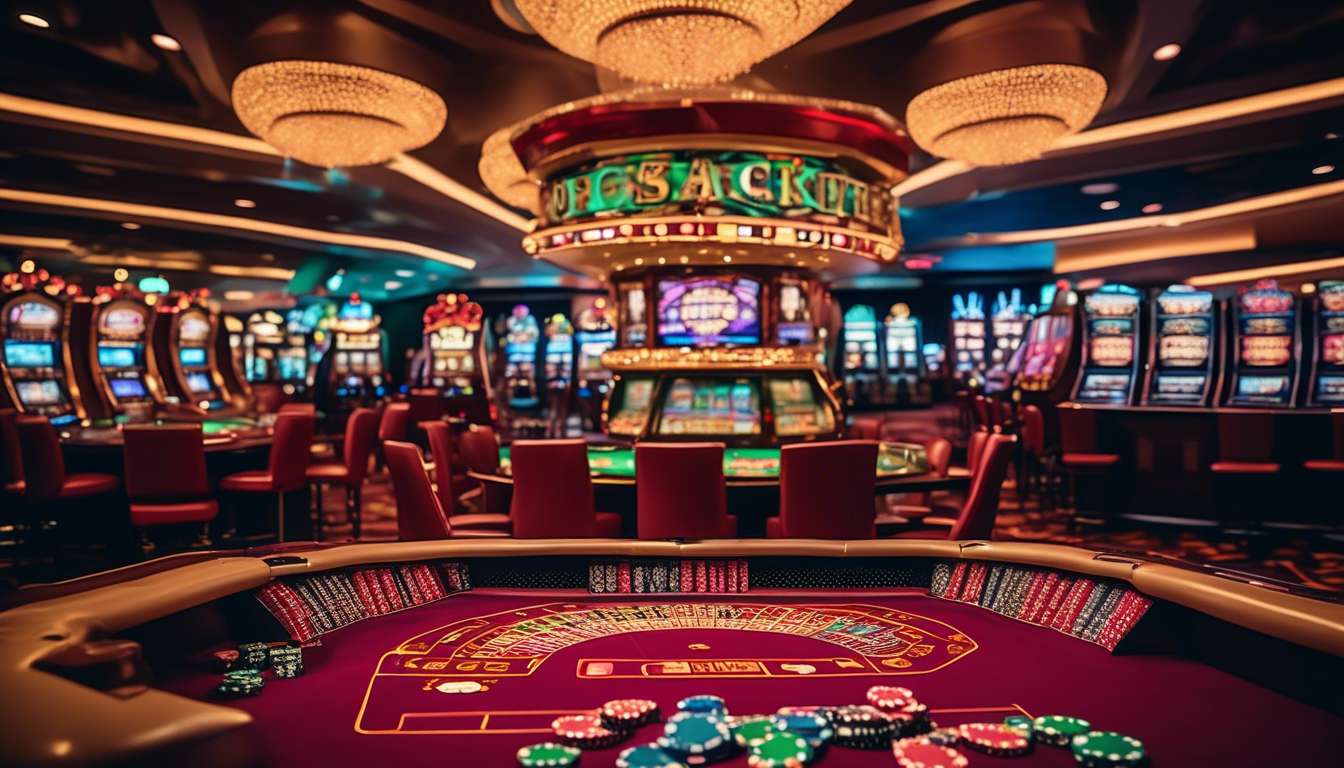
As we explore the historical evolution of gambling practices across cultures, it becomes clear that this age-old activity is deeply rooted in human civilization. From ancient dice games to modern online casinos, gambling has transformed, reflecting our values and societal structures. Today, platforms offer diverse experiences, catering to a global audience eager for both entertainment and the thrill of chance.
As you embark on your own gaming adventure, whether at a brick-and-mortar casino or through an online portal, remember that the history of gambling is as rich and varied as the experiences it offers. Every game played, every bet placed, adds to a tapestry woven from millennia of human interaction with chance. Join us in exploring this fascinating world, where history and modernity collide, presenting thrilling opportunities for all.